Mind-body-spirit wellness is the practice of integrating the mental, physical, and spiritual dimensions of your nature so you can live a life of wholeness. By practising mindfulness, listening to physical cues, and connecting with your spirit, you can move from automatic, reactive thinking to conscious living.
The key to mind-body-spirit wellness is recognising that you are a whole, multidimensional being. Mind, body, and spirit are not separate but exist as one continuum. You can lose your sense of wellness when you overlook this interconnection, especially when you become absorbed in your mind, reacting to endless thoughts and disconnecting from your body and spirit.
When these three dimensions are not integrated, you may struggle to master your life challenges and find yourself feeling unfulfilled, unhappy, frustrated, or unwell. The integration of mind, body, and spirit allows your life to feel more grounded, coherent, and fully lived.
Here are the three key steps to increasing your mind-body-spirit wellness.
Step One: Practise Mindfulness
Mindfulness is the practice of consciously directing your attention, from your observer self, to your inner and outer experience in the present moment, without reactivity or judgement. It allows you to step back from automatic thoughts and reactions and become more conscious.
Mindfulness is easily learned and can become an everyday practice as you consciously direct your attention throughout the day. Whether you are eating, working, or enjoying leisure time, there is always an opportunity to return your attention to the present moment with mindfulness.
A simple mindfulness practice to begin with is the Mindfulness of Breath Meditation. Once you have a mindfulness practice in place and make it a way of life, you are less likely to drift along on autopilot, reacting unconsciously to thoughts, emotions, and impulses. This increased mindfulness brings great blessings to your life as you become more present, resourceful, and aware of your choices and the magic of life. Allow 6-8 weeks of daily practice for the full benefits of mindfulness to emerge.
Depression, anxiety, and addictions are increasingly commonplace in society. Yet, despite its importance to our lives, mindfulness is typically never taught as a life skill, so we frequently fall victim to the mind’s reactivity, allowing these mental health issues to take root. Even without clinical symptoms, many of us stay stuck in the addiction of reactive thinking itself. Mindfulness plays a key role in helping you break free from this cycle of reactive thinking and supports your mental wellbeing. By bringing you back to centre as the observer in the present moment, mindfulness helps you create distance from the contents of your mind so you are no longer controlled by them. You can then watch thoughts and emotions come and go without being entangled in them.
A common challenge in processing life experiences is the tendency to think in a distorted way. The distortions of thinking include selective thinking, negative thinking, jumping to conclusions, maximising, minimising, and black-and-white thinking. Seeing something negatively or not looking at the full picture are a couple of common examples. Sometimes it’s difficult to move forward in life until certain distortions of thinking are cleared. Mindfulness is instrumental in clearing these distortions of thinking because it allows you to take a step back from the thoughts, recognise the distortion, and change it.
Using mindfulness to return to your observer self in the present moment is fundamental to mastering your life. Until you can live in the present moment, you will never be fully here, and therefore never fully yourself, never fully alive. Practise coming back to your centre by focusing your attention on your breath and stepping back from your thoughts. If you notice your attention slipping back into thinking, don’t worry – simply be aware of this tendency and gently return your attention to the present as the observer.
As you build a positive habit of being in your centre as observer, you will no longer be at the mercy of your thoughts. You can start to choose your thoughts and your behaviour, rather than living reactively and automatically. Anxieties and negative perceptions will then start to fade, as will limited and faulty thinking. Even unquestioned beliefs can be examined and released if they don’t really ring true.
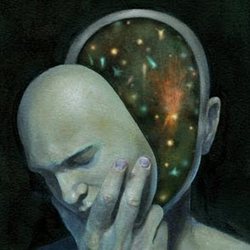
When you are more present and disentangled from your thoughts, you can extend your mindfulness practice to experience the true nature of your being beyond your thoughts and emotions and the labels you give yourself. Who is it that is having these thoughts? Given that the knowledge of who you truly are is essential for meeting your true needs, finding your True Self and embracing its spiritual nature is a key factor of mind-body-spirit wellness.
Step Two: Listen to Your Body
Your body often tells you what your mind might be overlooking. If you’re unwell, it will usually show symptoms as feedback to help you make healthier adjustments.
When you live healthily, the body often reflects this through increased radiance, energy, and feel-good hormones. Take the time to listen to your body and its needs. This can be done with the help of mindfulness in Step One.
If you are trapped in thinking, you will lose touch with your body and miss its messages. Take the time to open your senses and become aware of the miracle of living in your body and how it connects you with the life around you. Notice how it feels. You may begin to realise that your body is a guidance system for how well you are living.
To practise being in your body, make a list of ways in which you can come to your senses and read the messages of your body. For example:
- Focus on your breath to see what it reveals about your state of mind: Is it shallow or deep? Rapid or calm? Smooth or disrupted?
- Become aware of what tensions are held in your body’s muscles.
- Perform some gentle stretches that show you your range of motion and the effects of using your body the way you do.
- Take a relaxing bath.
- Receive an indulgent massage.
- Walk barefoot in nature.
- Become aware of your body’s response to eating or not eating various foods.
Once you have your list, make a commitment to practise the things on it regularly and continue to expand it. Then, by listening to your body’s guidance, you can gradually adjust your lifestyle for greater health and wellness.
Step Three: Experience Your Spirit
Your spirit can work in subtle and surprising ways, connecting you with something larger than yourself and with your highest potential. Many people sense that there is more to life than a purely materialistic worldview suggests. Taking time to still your thoughts, meditate, or simply focus on your breath can help you connect with your inner being in the present moment and discover where this connection leads. Even small moments of stillness can reconnect you with your deeper nature.
Come back to your centre as observer self and sense how you are more than your thoughts, more than your emotions, and more than the roles you play. What is it like to be the observer behind these thoughts, emotions, and roles? When you quiet the mind and expand your awareness into your being, you may find yourself opening to a richer, more spacious experience of life. Visiting a place of outstanding natural beauty or looking up at the vast expanse of stars in the night sky can help you feel present to the magic of existence and your connection to it.
Your spiritual nature has always been with you, waiting for you to acknowledge it when you slip through the net of your chattering thoughts. Find ways to experience how connected you are to the spirit of life and to the infinity of being.
If you had a spiritual purpose, what might it be? How could you serve the greater whole – your community, the ecology, or the planet? Can you cultivate compassion for those in your life, and even for those who are strangers or challenge you? We suffer when we lose touch with our spirituality, and we benefit when we embody it.
As you connect more deeply with Spirit, many stresses of materialistic living begin to fade away, and the deeper purpose of life can come into view. This Earth offers you the opportunity to ground your spirituality in physical form through your choices, actions, and the structures of living you create. Despite its importance to your spiritual development, Spiritual Health is often overlooked as a dimension of wellness.
Everyone’s path to mind‑body‑spirit wellness is unique, so allow your experience to unfold in a way that feels authentic to you.
To explore this further, read my post on Activating Your Light Body to learn how to bring through the light of your spiritual self.
Moving Forward into Greater Wellness
Mind-body-spirit wellness is about becoming more present to the true beauty and magic of your being and releasing the limiting and often harmful patterns of reactive, unconscious thinking. This is a path of personal transformation. Take the time to address your wellness and self-development by pursuing the three steps outlined above, and be prepared to journey into greater levels of wellness and fulfilment. Seek to integrate all three steps so that mind, body, and spirit are aligned and working as one. Notice if there are times when it’s more difficult to integrate all three steps and ask yourself why, and what this difficulty is teaching you – it will be a crucial lesson for your self-development.
Next step: If you’d like support with your mind‑body‑spirit wellness, you’re welcome to book a Guidance Call with me to dive deeper into your mind-body-spirit wellness, and together we’ll create a personalised path to deeper integration so you can step into greater wholeness and fulfilment.
Further Reading
The Power of the Mindfulness of Breath Meditation
How to Release Negative Patterns Effectively
A Meditation to Find Your True Self