

Honouring the Earth is an act of eco‑psychology – not only about sustainability, but about becoming mindful of our whole identity. This identity is shaped as much by our ecological connections within the web of life as by our individual, local self. Authentic living begins when we shift our attention to the present moment and recognise the wholeness of life of which we are an inseparable part. With mindfulness, our relationship with nature naturally reveals itself.
The Earth is an extraordinary planet – a wonder of the universe – expressing the miracle of life in all its diversity and interconnectedness. Given the barren nature of the planets around us, and the extreme rarity of the conditions that allow life to flourish upon Earth, it is truly an honour to be part of this miracle. Yet when we lack mindfulness, we forget this miracle, lose our gratitude, and dissociate from reality in ways that quietly erode our emotional wellness, becoming trapped in a trance‑like world of thought – a kind of virtual reality.
When we take the Earth for granted, our ecological footprint becomes heavier. Eventually, our actions turn against the planet in a bizarre form of collective insanity born from dissociation and lack of awareness. Why insanity? Because we are turning against the very matrix of life that supports us – what many traditional cultures call our Great Mother, our greater identity. We now rely on scientific studies to remind us of the benefits of spending time in nature, or working with nature, because we have become stuck in a program of thought that disconnects us from the living world.
As we awaken to the suffering occurring on the Earth – and within ourselves – our best response is not to be frozen by guilt, or to allow our grief to disable us or to drive us into denial. Instead, we can cultivate compassion and gratitude for life. Compassion helps us recognise the suffering of others and the suffering within ourselves that leads to dissociation from the matrix of life. It encourages us to free ourselves from this suffering by committing to reintegration with life and choosing thoughts and actions rooted in kindness. Gratitude opens our eyes and hearts to the blessings of life we previously overlooked, motivating us to act kindly and live lightly upon the Earth. With mindfulness as our compass, these qualities guide us back to authentic living and help us honour the Earth in the process.
Below are nine ways to honour the Earth on this journey of authentic living:
1. Embrace your ecological self
Your ecological self is the extension of your true self into nature, along the pathways that interconnect all life. Mindfulness can lift you out of the inner trance of thought and reactive behaviour, bringing you into conscious presence within the natural world. Embrace your ecological self by noticing how inseparable you are from nature, and how you feel more like your true self when you are present in nature. You may feel this most strongly in places of outstanding natural beauty, but learn to feel it in your local environment too, and consciously seek out nature in the midst of your daily life – the grass pushing through the pavement cracks, the birds singing outside your window, the smell of rain, or a sunset you rarely pause to see. Deliberately exposing your senses to nature is healing to your spirit, for your senses awaken you to your deep connection with it.
2. Become familiar with your bioregion
Your bioregion is the natural environment of your local area – the land drained by your nearest river and its tributaries, often bordered by hills, mountains, or ridges. Becoming familiar with your bioregion helps you understand the ecological needs of your local area and how to respond to them. Develop bioregional awareness by exploring the relationship between land and water where you live. Learn which river drains your bioregion and whether it is healthy or polluted. Notice the shape of the land – the hills, mountains, and ridges – and how you feel when you walk them. Learn the native plants, trees, animals, birds, fish, and insects. Ask what their habitats require to thrive. Consider how your own life is sustained by this ecology and what renewable resources your bioregion offers.
3. Explore your gratitude for the Earth
Gratitude for the blessings of nature – the air you breathe, the water you drink, the food you eat, the materials you use – reconnects you with the source of your physical life. As you discover the miracle of the web of interdependence that sustains the Earth, your gratitude for the whole Earth naturally deepens. Practise opening your senses fully to the natural world, taking in all of nature’s details. Walk barefoot in nature, feeling your connection with the Earth, and how the ground feels beneath your feet as you are supported by the Earth. Can you experience your spirit being enriched as you are received by nature?
4. Reduce toxicity
Pollution arises from a toxic, dissociated mind – one that devalues the land, water, and air that sustain us, or the habitats and organisms that they contain. By clearing your mind through mindfulness, you can stay present to the consequences of your actions. Let compassion guide you: wish yourself and all life freedom from the suffering caused by toxicity. Choose non‑toxic products, grow or buy organic food, and support companies committed to non‑toxic production. If you use toxic products, be mindful of their safe disposal. Pollutants leak from landfills, buried tanks, and industrial sites, and rainwater washes chemicals from roads, pavements, driveways, lawns, and farmland into streams and rivers. Household chemicals poured down the sink eventually enter waterways too. Mindfulness helps you stay aware of these impacts.
5. Use local economies
The more the scale of an economy is beyond that of a community’s locality, the harder it is to know the effects of our actions on the Earth, and the less ecologically accountable businesses become. The infrastructure of global economics and centralised big business is generally more energy-intensive, polluting, and resource-depleting, especially when products are transported thousands of miles. To minimise your ecological footprint, buy and sell in your local community economy, and support local, sustainable businesses and farms that are accountable to their community. This is the essence of the new economics. Chain stores may be convenient, but they displace local businesses and weaken community resilience. The strength of local economies grows with mindfulness and the presence of authentic community.
6. Protect biodiversity
Biodiversity – the rich diversity of life – increases the stability and resilience of ecosystems. Ecosystems can better respond to change and absorb or reduce its effects when there is a greater diversity of species within it. Biodiversity also increases the potential for life to be self-realised. Tropical rainforests and wetlands are known to be the most diverse ecosystems on Earth, with 80% of the world’s biodiversity found in them. The practice of monoculture farming by large-scale, intensive farming, in which large areas of forests are cut down to clear land for the planting of a single, highly profitable crop, destroys habitats and reduces biodiversity. One simple way to protect biodiversity is to grow your own food, individually or as a community, or to buy from local organic farms that support ecological diversity.
7. Plant a tree or cultivate native species of plants
Planting a tree that is native to your area is a simple yet profound ecological act. Trees provide habitats for species, reduce air pollution, improve soil, and can even reduce energy use when planted in the right place near buildings – they provide wind protection in the winter, and shade in the summer. Cultivating native plant species – especially those under threat – helps sustain and restore ecosystems. You might choose plants that attract endangered butterflies or other beneficial insects that support your local environment.
8. Recycle
Recycling conserves valuable natural resources – such as trees and fossil fuels – reduces polluting landfill waste, and uses less energy than producing new products. When we observe nature, we see that the waste of one species or ecological process is recycled as the food or resource of another. Ecologically mindful businesses can follow this zero waste principle by designing their output wastes to be input resources for other production processes. At home you can do the same by composting your organic waste and recycling harvested rainwater and water from sinks, baths, and showers for watering plants.
9. Use shared and renewable resources
The endless duplication of resources reflects a breakdown of authentic community; sharing reduces consumption and strengthens connection. Ask yourself: What can I share today? What friendships or community ties might grow from this? Using locally sourced, natural, and renewable resources is essential for sustainability. Solar and wind energy can meet many needs without depleting natural resources. Solar panels, small wind turbines, and solar water heaters are practical ways to harness renewable energy at home.
To learn more about mindfulness and how it can enrich your life, wellbeing, and overall wellness, explore these posts on mindfulness.

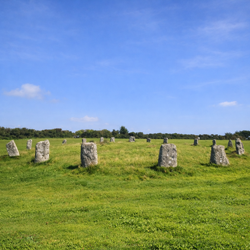

It truly IS an honour to be part of this miracle!
thank you Leigh for an interesting read…. have passed it on kath…..
Great article, thank you Very useful tops. You may add study for careers in green, progressive fields to your list and round up a top 10 next year. I sure would like to read your expanded notes on that subject.